Helping swimrun athletes since 2016
- Download Our Race ready checklist -
Reduce Swimrun Swim Times By 10%
How to reduce swimrun swim times by 10%.
In a typical swimrun event, you may end up swimming a total of 4 to 5 km. For a lot of people who swim at around 2 minutes per 100metres, that means about 20 minutes per km, therefore 80 to 100 minutes.
If you could improve your swim leg performance by 10%, you could knock an impressive 8 to 10 minutes off your total time!
But, 10% sounds like a lot, doesn't it? It would take a lot of swim training to achieve an improvement of 10 %. OR WOULD IT?
Holoswim 3 Pro Smart Swim Goggles
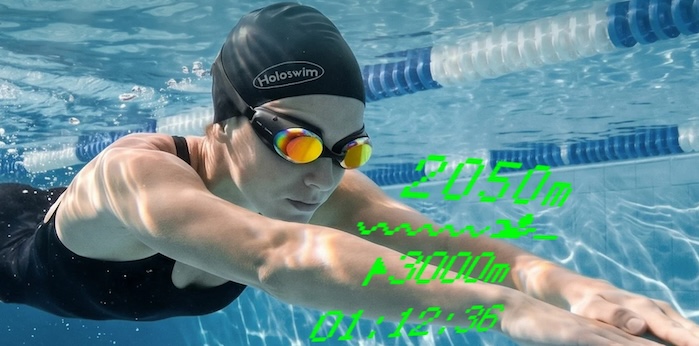
Holoswim 3 Pro are the ONLY smart swim goggles with built-in GPS. With compass and open water guidance coming soon, you'll never zig-zag across an open water swim again! Perfect for swimrun.
Read our review for details, OR order direct at the HoloSport website, and use our discount code - HOLOSWIM10 - to get 10% off.
(As HoloSport affiliates, we may earn a small commission on any purchases)
Reduce Swimrun Swim Times By 10%
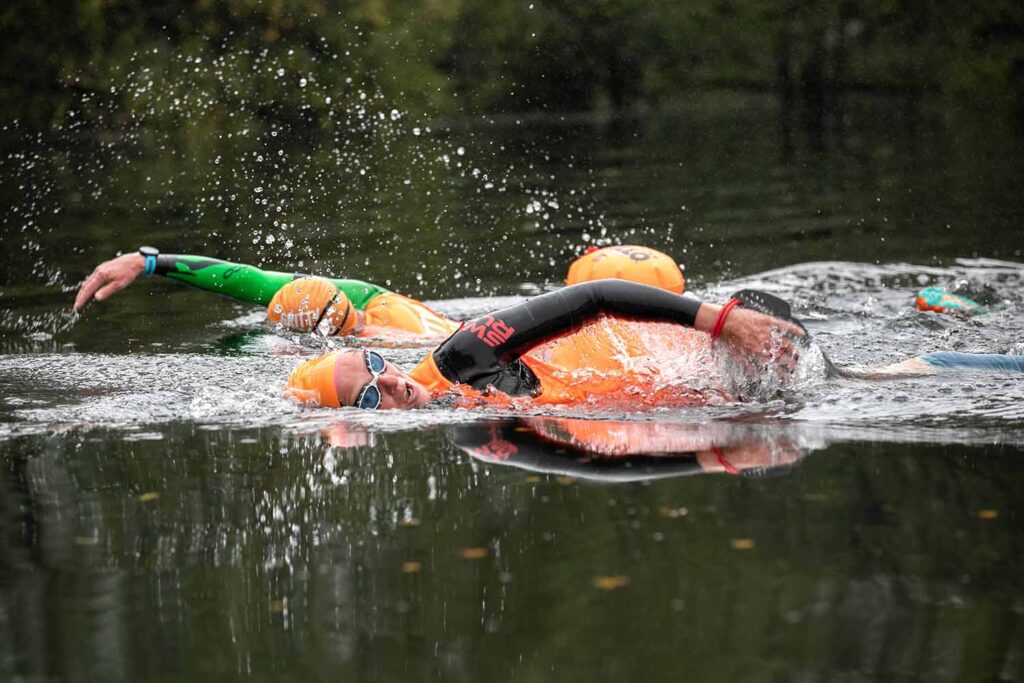 Reduce your swim times!
If you break a typical swimrun swim leg into its separate components, there are several factors that you can work on. If you improve each one by, say, 2%, then you can reach your 10% improvement target quite quickly.
But what are the areas to examine and work on?
1. Your transitions.
2. Study the route carefully before the event.
3. Your propulsion.
4. Your drag.
5. Your raw swim pace - your technique and form.
6. Your swim endurance - how long can you maintain your pace?
Reduce Swimrun Swim Times By 10%
Let's take a closer look at the 5 areas where it may be possible to improve your swim times:
1. Transitions.
This is the obvious place to start. Every time you transition from run to swim and swim to run you have opportunities to save time.
How?
You should study the event route carefully and be aware of when you are approaching a run-to-swim transition. As you get closer to the water, you need to have a routine to ensure that you are ready to start swimming as quickly as possible. Your routine may look something like this:
- zip up your wetsuit
- check your swim hat is in position
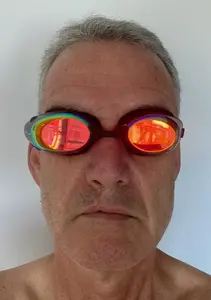
- put your goggles on
- get your paddles ready
- check your float is accessible
- check your swim tether is ready to go
The big time saver here is to do all this as you are running the final 100 metres to the water. If you have to walk or stop to get any of these things done, you are wasting time.
You should get all your gear ready, hat and goggles on, paddles on your hands, and clip your tether to your team mate, all while running. Positioning your float between your legs is the last thing you do as you run into the water.
I have seen so many teams standing at the water's edge fiddling with their gear and having a discussion, wasting precious time!
This area of improvement involves developing your own routine, and then practising it over and over again until you can practically do it blind-folded!
2. Study the route.
It is very important to study the event route carefully for several reasons, if you want to improve your swim times:
- to know where the transitions are.
- to check for prevailing water currents at the time of the race.
Let's look at these in more detail.
As we have seen in the first section, you need to be ready to swim as soon as you get near the water, at each and every transition. That means you need a good idea of when a swim section is about to appear - sometimes they crop up quicker than expected!
Once in the water, you need to know about any currents. If you are swimming in a lake then this is not so important. But if you are in the sea, it's crucial to know about what the tides are doing and the direction of flow around the shores.
At the Ötillö Isles of Scilly event a while ago, the route involved a circuit around several of the islands. I asked a local fisherman about the tides and currents. It was high tide shortly before the start, and he showed me a map of the islands and explained how the water would be flowing through the channels.
I realized that, on every swim leg, the current would be flowing from right to left. That meant swimming in a direction well to the right side of the swim exit. During the race I could see the seaweed on the bottom streaming to the left, an obvious sign of the tidal current.
We followed a route off to the right hand side of each swim course. To my amazement, no other competitors seemed to take the current into consideration, and were being carried downstream well to the left of the exit.
We were by no means the fastest swimmers, but we made up several minutes on each leg, simply by swimming in the right direction!
So, try to talk to a local fisherman or yachtsman about the tides, and how the water will be flowing at the time of your race.
Reduce Swimrun Swim Times By 10%
3. Your propulsion.
Your only source of propulsion is your arms and hands, with the aid of paddles. So choosing the correct paddles can improve your swim speed significantly.
Unfortunately, a lot of swimrun athletes fall for advertising hype which is also promoted by some prominent swimrunners. You can read my explanation about how this works at my 'the power of a myth' page.
To find out about the best size and shape of swim paddle for you, visit my page about swimrun paddles. My recommendations are supported by scientific research, which I quote. You may be surprised to find out that bigger is NOT better!
4. Your drag.
This is an area that is largely ignored in swimrun circles. By 'drag', I am referring to your clothing and equipment that creates drag in the water.
Starting at the top and working down, your swim hat and goggles are minor issues.
However, when we get to your upper body, things can go downhill quickly. The biggest issue is the competition vest or bib that you have to wear. Sometimes these are elasticated and fit snugly, but all too often they are baggy. What can you do about that?
The obvious solution is to use a couple of big safety pins to make sure the bib fits tightly against your wetsuit. The most important area is at the top, where water gets in, rather than the waist.
Moving down, most swimrun athletes will have some sort of belt, for attaching a swim tether, supporting their float, carrying glucose gels, and sometimes to hold karabiners to clip paddles into on a long run.
Try to make sure that your belt fits well and does not have large pockets that trap water.
Moving down, the last thing to consider is your shoes. Try to choose shoes that are slim and have a smooth surface. While there are several trade-offs to weigh up with swimrun shoes, you should avoid shoes with lots of details, straps, badges etc.
Reduce Swimrun Swim Times
5. Your swim technique.
This looks at 2 major factors, which could also be classified as 'propulsion' and 'drag', but I decided to separate these issues out.
In terms of propulsion, some people seem to think that a straight arm (or nearly straight arm) through the water gives the best power. This simply isn't true. Think about how you would climb a ladder. You wouldn't use straight arms to go up - your arms are bent.
To illustrate this, take a look at the youtube video below of Australian olympic swimmer Mack Horton. Watch his hands and arms very carefully, especially from the front, 30 seconds in to the video. Look at how much he bends his arms at the elbow!
The other aspect of technique involves the position of your body in the water. For the least drag (and the fastest times) your body should be as level (or 'flat') as possible.
Many swimmers adopt a position where their head is too high which results in the lower body and legs being angled downwards. This is simply inefficient, creating drag which slows you down and burning energy that you could be using to better effect.
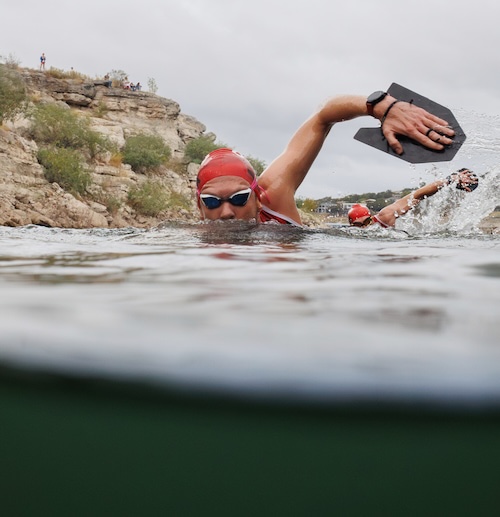 Can you spot what's wrong here?
6. Your pace and endurance.
These are the 2 elements that most people concentrate on. As we have seen above, there are several other areas where you can get a 2% or 3% improvement, which all adds up. But there's no getting away from the fact that you need to do some swim training too!
But, is there a way to train smarter, getting results in less time?
Yes!
First of all, most people will do their off-season swim training in a pool, which is fine. But as the weeks tick away towards your planned event (or events), you should try to include more and more open water swimming, in full swimrun gear.
The reason for this is that you need to become accustomed to the resistance of a wetsuit and the drag created by your gear and shoes. The more you train in your full race gear, the more endurance you will build up.
But the element that needs to be added, whether in the pool or in open water, is HIIT, or 'high intensity interval training'. This has been shown in many studies to be surprisingly effective.
Essentially, you need to swim at maximum effort (ie. as fast as you can) for about 30 seconds, then spend 90 seconds recovering either by resting or by swimming very slowly, and do this 5 times. That means five sets of a 30-second burst of exercise followed by 90 seconds recovery.
The best time to do this is towards the end of a normal training session, and you should do this 3 times a week, if possible. Your normal session may be a straight 2000 meter swim at 80% effort, or sets of 200 and 400 meters for a similar total distance - just remember to add the HIIT session near the end, before finishing.
Of course, you should do this in full swimrun gear in open water as well as in the pool, for maximum benefit!
You will find that the first set goes quite well, the second set feels harder, and the next 3 sets get even harder! It's surprising how tough this HIIT session will be. But, it doesn't take long, and is extremely effective.
For an analysis of how and why this technique is so effective, I recommend Dr Michael Mosley's excellent book titled 'Fast Exercise', written with Peta Bee. There are 44 scientific studies quoted in the back of the book to back up HIIT !

If you look at the 6 areas I have examined above, you should be able to shave around 10% off your total swimming time in a swimrun event.
Good luck!
SollaWave Smart Swim Goggles
The world's first AI music smart swim goggles, these are designed to replace five separate pieces of swim gear with a single, streamlined device.
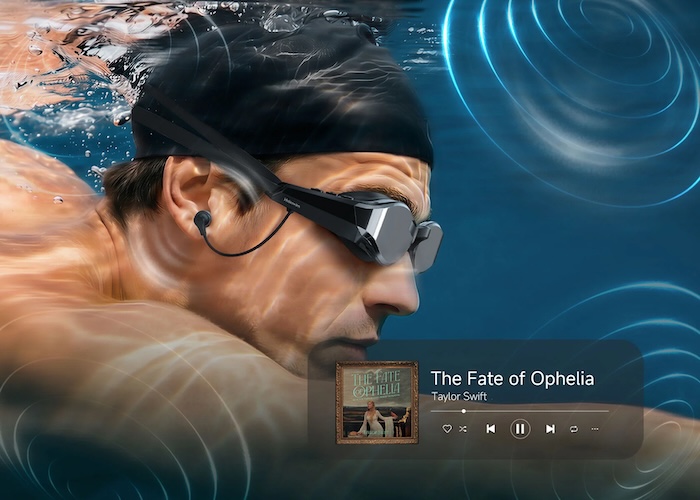
The SollaWave combines racing-style swim goggles, integrated underwater headphones, waterproof earplugs, an AI-powered swim tracker, and built-in anti-fog protection into one compact package. Read our review for details, OR order direct from the HoloSport website, and remember to use our discount code - HOLOSWIM10 - to get your 10% off!
(As HoloSport affiliates we may earn a small commission on purchases)
www.swimrun-advice.com works with the following Swimrun companies:




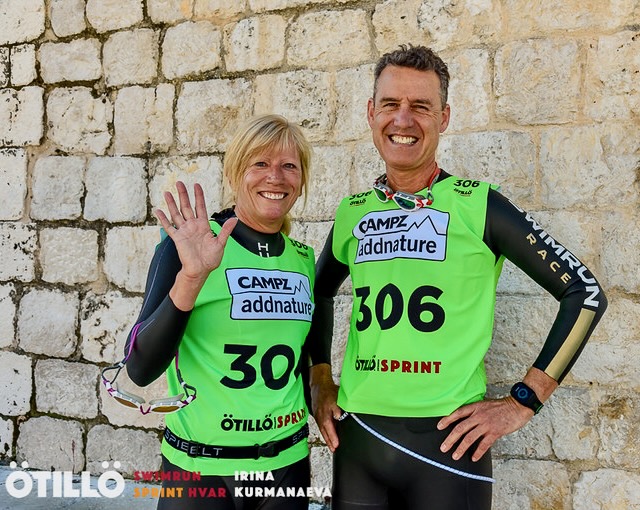
Richard Mitchell, BDS, and Mogsy Ford are swimrun competitors and endurance athletes who write from direct racing experience. We have competed in swimrun since 2016, and bring added perspective from competitive running (5K to marathon) and open-water swim racing. This website has been mentioned by The Guardian newspaper. As married teammates, we train together, and build holidays around races. Read more at the 'About Us' page.


Have you seen our Facebook page?!
Best Seller This Month
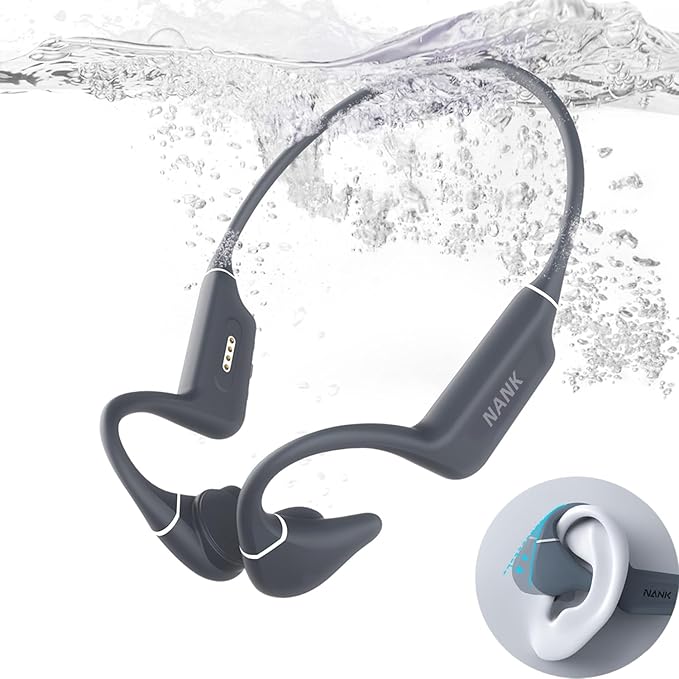
NANK RunnerDiver2 Pro Bone Conduction headphones
Check the NANK website DIRECT for availability and prices!
Recent Articles


-
Shokz Headphones For Swimrun - Six Best Models And How To Choose
Sep 15, 26 07:55 AM
 Looking for Shokz headphones for swimrun? We compare OpenSwim Pro and running models to help you choose the best setup for swim‑run training
 -
Swimrun Goggles: 13 Top Picks for 2026
Sep 14, 26 03:45 AM
 Which swimrun goggles suit you best? Compare Smart, polarized, prescription and custom-fit options for open water comfort, visibility, and fit.
 -
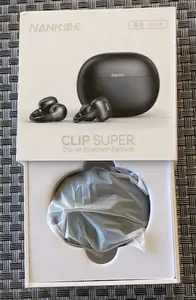
The Best Blue Tooth Ear Buds Under $50 - But Which?
Sep 14, 26 03:40 AM
 Discover the best blue tooth ear buds for under $50. Read our detailed review and find out why you should check our recommendation!
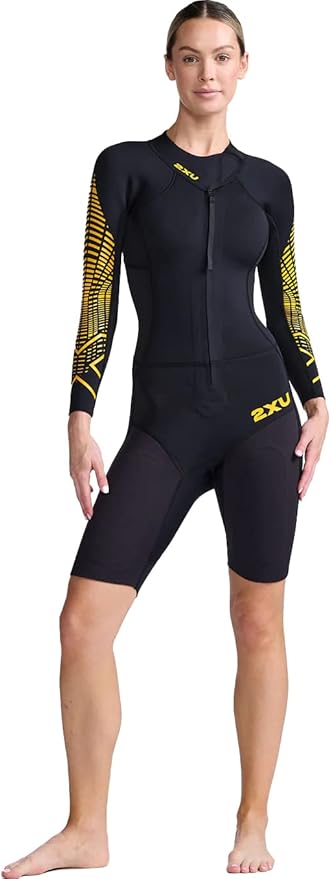
CLICK HERE FOR MORE DETAILS ON THIS GREAT SUIT!
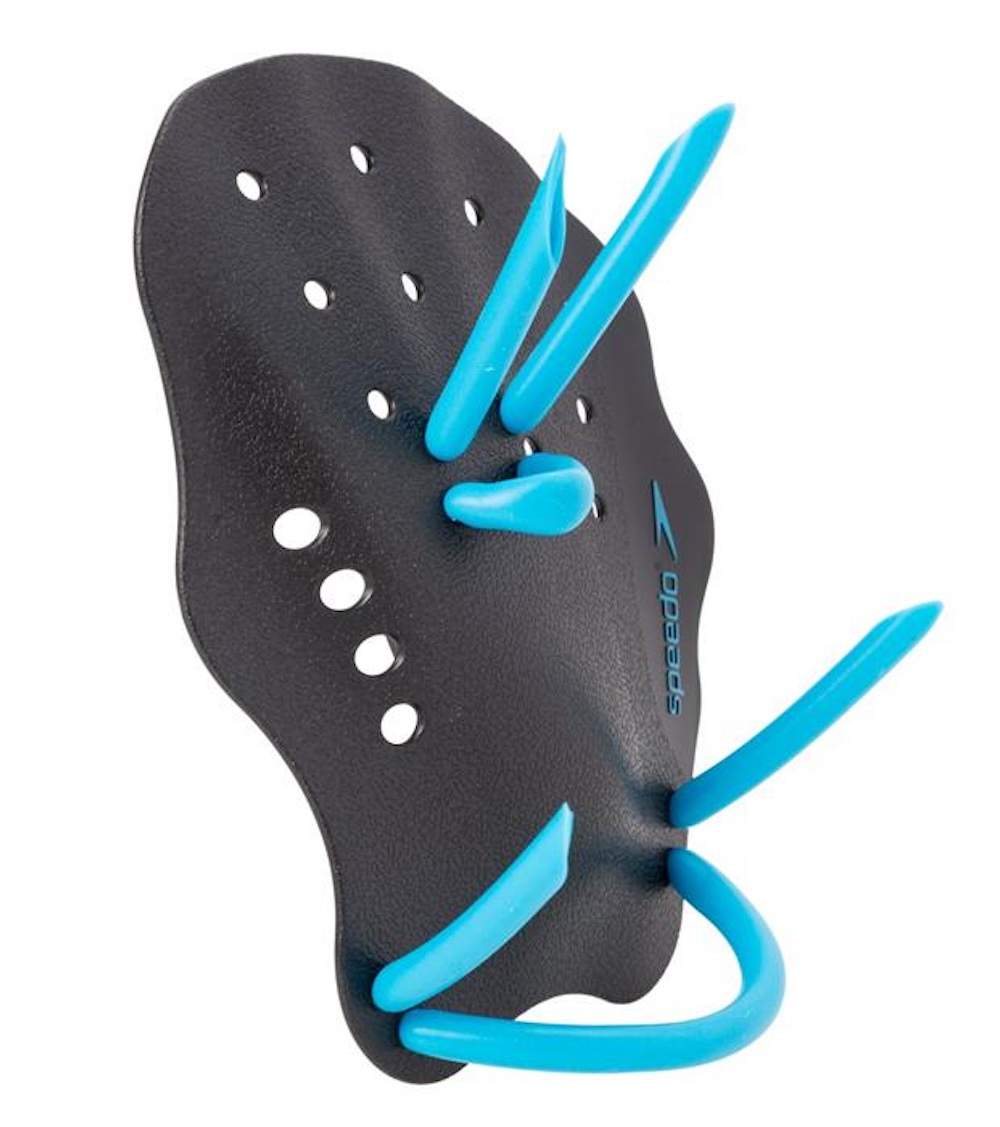
Check out these popular Speedo NEMESIS paddles