Helping swimrun athletes since 2016
- Download Our Race ready checklist -
How Swim to Run Ratio
Affects Swimrun Events
The swim to run ratio in a swimrun event is important for several reasons.
Typical swimrun swimming percentage: Most swimrun races are roughly 10%–25% swimming by distance (and 75%–90% running), but it varies a lot by event.
Beginner tip: If you’re nervous about the swim sections, start by targeting races that are around 10%–12% swimming. Strong swimmers can deliberately pick races with 20%–25%+ swimming.
A 1:4 swim-to-run ratio = 20% swimming to 80% running.
Incidently, according to openwaterhq.com, swimming 10km (6.2 miles) is equivalent to running a road marathon, in terms of time taken and energy expended!
This gives you an idea of the energy required during a swim. Approximately, swimming is FOUR TIMES as hard as running, if we compare the 10km swim to the 42.2km marathon.
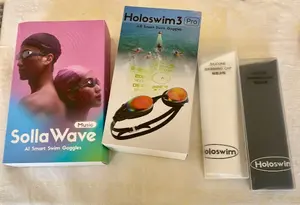
Holoswim 3 Pro Smart Swim Goggles
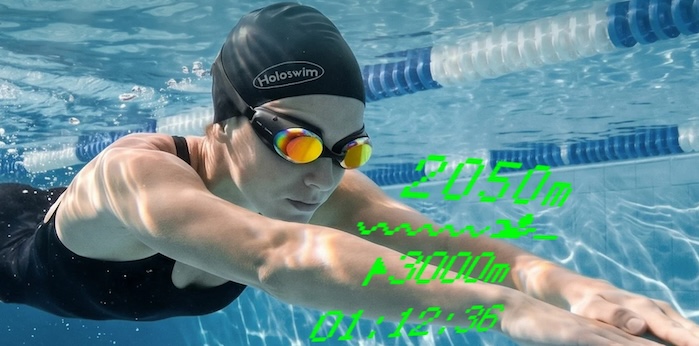
Holoswim 3 Pro are the ONLY smart swim goggles with built-in GPS. With compass and open water guidance coming soon, you'll never zig-zag across an open water swim again! Perfect for swimrun.
Read our review for details, OR order direct at the HoloSport website, and use our discount code - HOLOSWIM10 - to get 10% off.
(As HoloSport affiliates, we may earn a small commission on any purchases)
Swim To Run Ratio
When it comes to swimrun events, newcomers are sometimes deterred by the swimming involved. This is also true for triathlon, where many triathletes come from a cycling or running background.
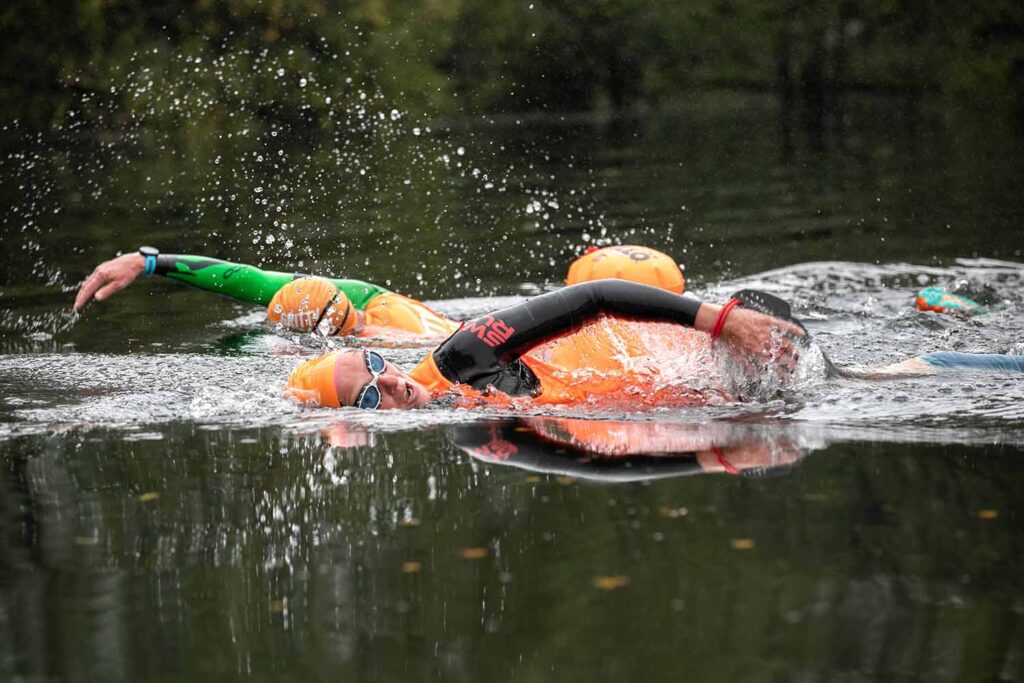 Image courtesy Gritty Rascals
But the important thing to look at is the swim to run ratio of the event. In general, swimrun races have a swim to run ratio of between 1:8 and 1:4
What does this mean?
If a race has a swim to run ratio of 1:4, it means that for each kilometre you swim, you will run 4 kilometres. It can also be expressed as a percentage, where 1:4 represents 20% swimming and 80% running.
If you are a strong swimmer, you might like to look for events that have a higher swim to run ratio, like 25% (or 1:3). This is relatively high, and not many swimrun races have a ratio that high - but they ARE around!
On the other hand, if you are not a strong swimmer, and are concerned about managing the swim sections, you should look for events that have a low swim to run ratio, like 10% to 12% (or 1:9). This means that only 10% of the total event distance is swimming.
Swim To Run Ratio
A ratio of just 10% swimming is quite low, and there are not a lot of events that have so little swimming compared to running. However, they DO exist! You just have to do some research.
How can you tell what your level your swimming is? It's all very well saying someone is a strong swimmer, but what does that actually mean?
There are 2 aspects to being a strong swimmer;
- The pace you can swim at - your speed through the water
- How long you can keep it up for - your endurance
As a guide, if you can swim in a pool at 2 minutes per hundred metres, and keep it up for 2,000 metres (2 km), you will be fine in almost any swimrun event up to about 30km. You won't win, but you won't be at the back of the field either!
When I did my first swim run race, I considered myself a reasonable runner (for my age), as I had a 10km time of 47 minutes and a Half marathon time of 1 hour 53 minutes under my belt. I was also a confident swimmer, as I was a competitive swimmer in my youth, but hadn't done much swim training for years.
I anticipated that we would manage OK on the swim legs but make up ground on other teams during the running section.
I was wrong. It was the other way around!
We were among the slower runners, often being one of the last teams to reach the first swim entry; but once in the water, we passed teams hand over fist. So, in our part of the field (about half way back), we were relatively slow runners but relatively good swimmers.
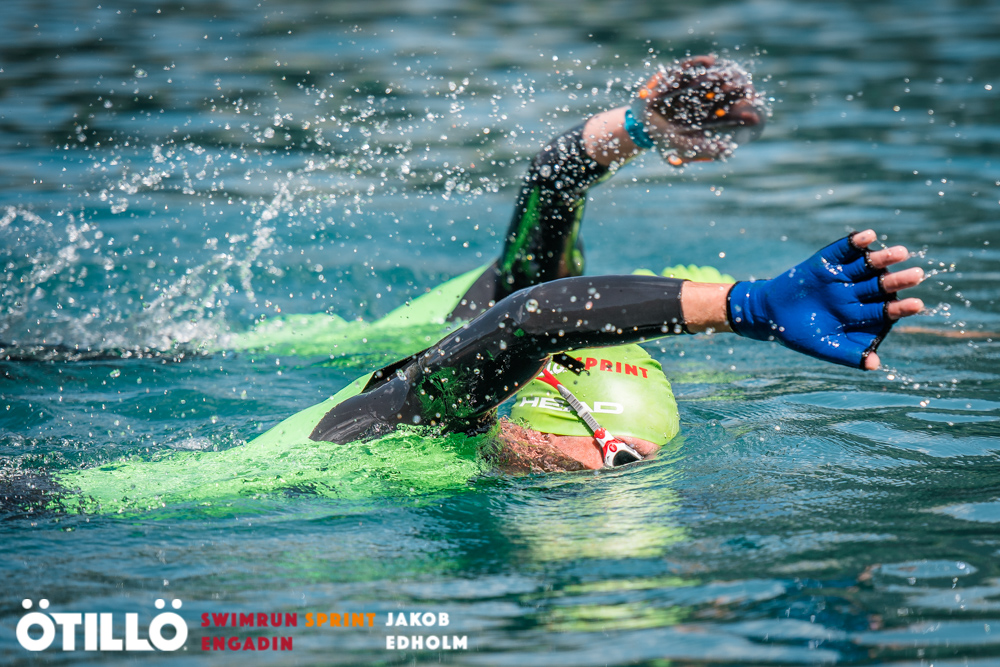 Swim paddles NOT always required!
The point I'm making here is that you don't have to be a great swimmer to complete (and enjoy) a swimrun event. I have seen people doing the swim legs with breast stroke and even with back stroke!
The trick is to work out how your swimming compares to most other swimrunners, and then pick events with a swim to run ratio that matches your relative ability. At the lower level, I would recommend being able to swim 500 metres in one go in about 20 minutes, at the longest. This sort of ability will ensure that you can manage the swimming in an event with a swim to run ratio of 10% to 12% of the total distance.
Next step (low swim %):
Start here: Look for beginner-friendly races at our page on swimrun races under 10km.
Next step (travel):
Ready to travel for the right race? Check accommodation near your shortlist.
One other important (and controversial) issue is swimrun paddles. There are some big companies that manufacture carbon fiber swim paddles, and make big claims.
You don't really need paddles for shorter events, especially if it's your first. But the more swimming involved, the more important paddles become - BUT ONLY UP TO A POINT. Find out why at our dedicated swim paddles page.
We hope this guide is useful; please let us know if you think we have left anything out, using the Contact Us link. Thank you!
SollaWave Smart Swim Goggles
The world's first AI music smart swim goggles, these are designed to replace five separate pieces of swim gear with a single, streamlined device.
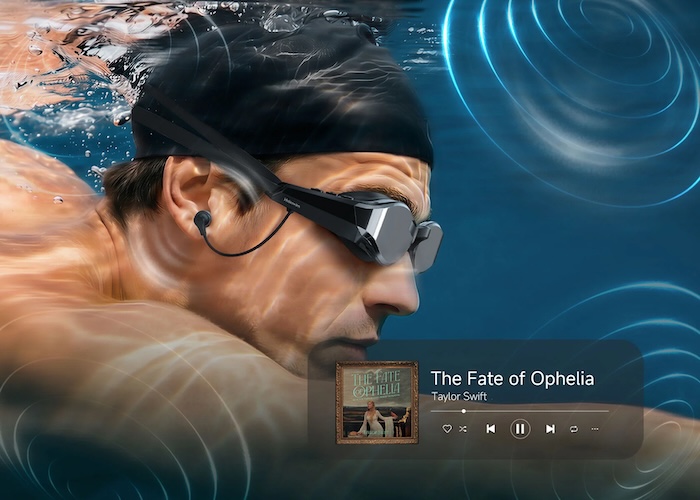
The SollaWave combines racing-style swim goggles, integrated underwater headphones, waterproof earplugs, an AI-powered swim tracker, and built-in anti-fog protection into one compact package. Read our review for details, OR order direct from the HoloSport website, and remember to use our discount code - HOLOSWIM10 - to get your 10% off!
(As HoloSport affiliates we may earn a small commission on purchases)
www.swimrun-advice.com works with the following Swimrun companies:




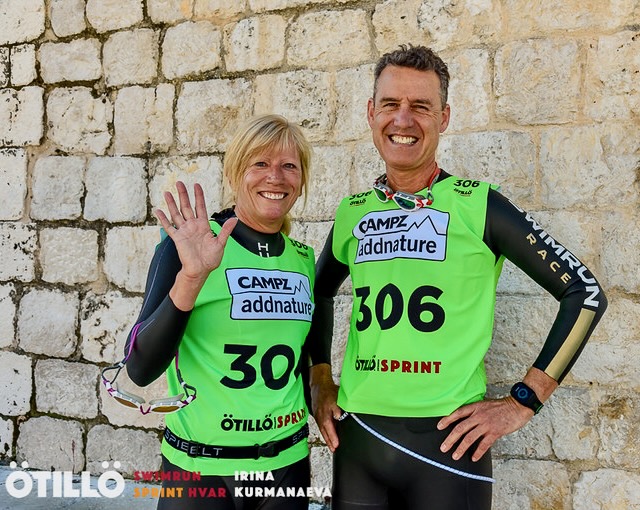
Richard Mitchell, BDS, and Mogsy Ford are swimrun competitors and endurance athletes who write from direct racing experience. We have competed in swimrun since 2016, and bring added perspective from competitive running (5K to marathon) and open-water swim racing. This website has been mentioned by The Guardian newspaper. As married teammates, we train together, and build holidays around races. Read more at the 'About Us' page.


Have you seen our Facebook page?!
Best Seller This Month
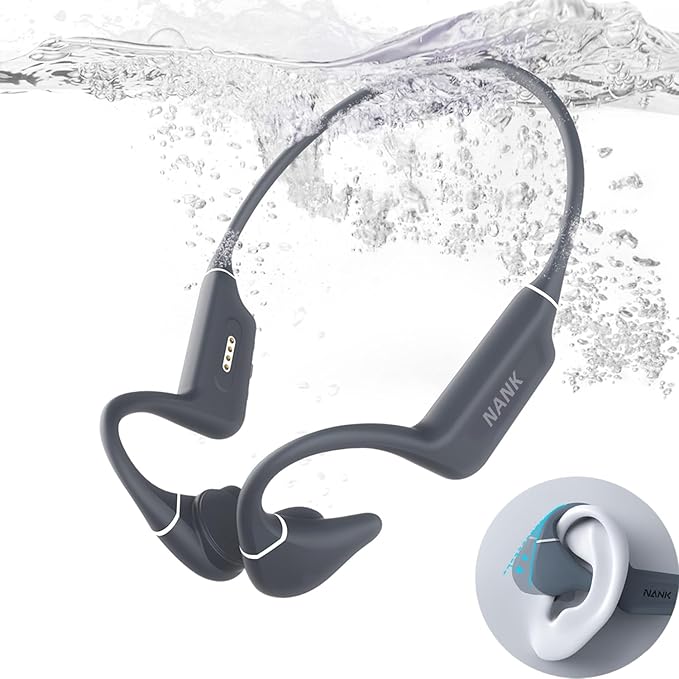
NANK RunnerDiver2 Pro BoneConduction headphones
Check the NANK website DIRECT for availability and prices!
Recent Articles


-
Swimrun Calendar USA World 2027
Oct 06, 26 04:17 AM
 Swimrun Calendar USA World 2027; Swimrun events in the USA and the rest of the world 2026 - find a Swimrun event near you, or somewhere you'd like to go!
 -
Swimrun Calendar Europe 2027
Oct 06, 26 04:04 AM
 SwimRun Calendar Europe 2027 - find a SwimRun event near you in Europe! Full listings of major swimrun races in Europe 2027.
 -
Swimrun Latest News 2026 - Check All The Latest Developments Here!
Oct 05, 26 03:25 AM
 All the Swimrun Latest News. Find out what's happening in the World of Swimrun. Events, Tech, Gear and Gossip! Updated regularly.
Nanoclear Strike Mirror Goggles
by Effortless Swimming

CLICK HERE FOR MORE DETAILS ON THESE GREAT GOGGLES - Use code SWIMRUNA15 & get 15% off!
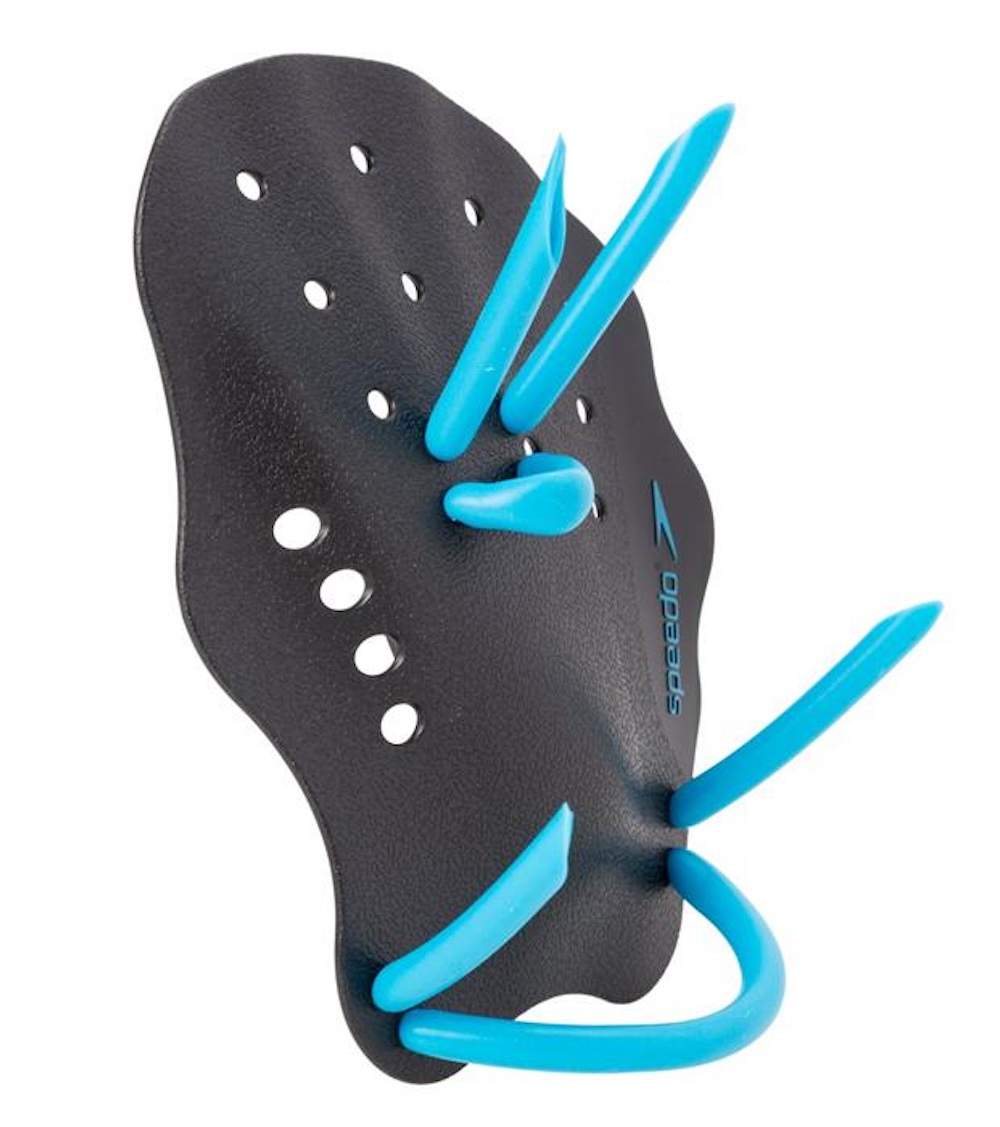
Check out these popular Speedo NEMESIS paddles