Helping swimrun athletes since 2016
- Download Our Race ready checklist -
The Future Of Swimrun -
Technical Developments
Offering Competitive Advantages
The future of swimrun technology and equipment is a fascinating area to explore. During its brief history, swimrun athletes have kept coming up with new and inventive ways to gain an advantage. Some of those innovations included oversized flotation aids and long diving fins.
Rather than outlawing such bright ideas, swimrun organisers introduced limits and measurements to keep things reasonable, while allowing people to continue thinking outside the box.
If we think about it, there are still some items of swimrun equipment that warrant more thought and more exploration, even if only to continue to extend the limits of already-existing kit.
Here is our thought-provoking and, at times, playful and light-hearted look at where swimrun innovation might offer you a competitive advantage in the not-so-distant future!
The Future of Swimrun
Goggles
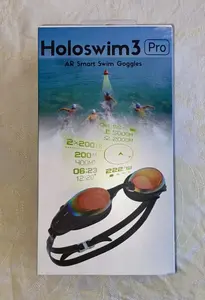
How about smart swim goggles with built-in GPS capability, allowing compass navigation in open water. This technology actually appeared recently in the form of the HoloSport 3 Pro smart goggles!

The advantage? You can set your course just before starting a long open water swim leg. As you swim, you can see a compass indicator in the in-lens heads-up display. No need to keep lifting your head to sight for your exit point, and no zig-zagging off course due to poor sighting or currents. You swim directly to your chosen exit point/transition by the shortest route. A major time-saver!
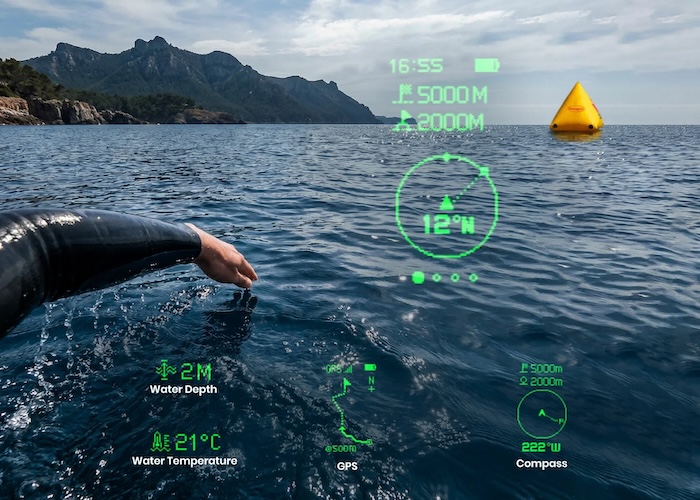
This technology exists NOW, and because you can now swim in a straight line directly to the exit without lifting your head, you reduce errors and reduce drag.
* We consider this to be an essential piece of kit for anyone who wants to be competitive.*
Read all about this impressive development at our Holosport 3 Pro page. And get a 10% discount with our special code.
Wetsuit
We have come up with what we believe to be a genuine innovation in wetsuit design: Imagine a wetsuit with strategically-positioned 'air' bladders that can be inflated at the start of a swim section and then deflated for the next run. Get rid of that big float!
How would this work? The wetsuit would have a large, flat air bladder in the back, from below your shoulder blades down to the small of your back. This would not interfere with your stroke, and would hold you slightly higher in the water.
In addition, there could be small air bladders in the wetsuit in the areas of the backs of your thighs. Once inflated, these would help to keep your legs higher in the water, without the awkwardness of a traditional swim float.
How would these 'air' bladders be inflated? We propose that the bladders be linked by fine tubing within the wetsuit, and inflated by compressed nitrogen cartridges fitted to your swimrun belt. The weight of the cartridges would be similar to a big ARK float, and certainly much less bulky.
Of course, the system would need a quick-deflation tap, to drain the nitrogen at the end of each swim section. More research required!
Paddles
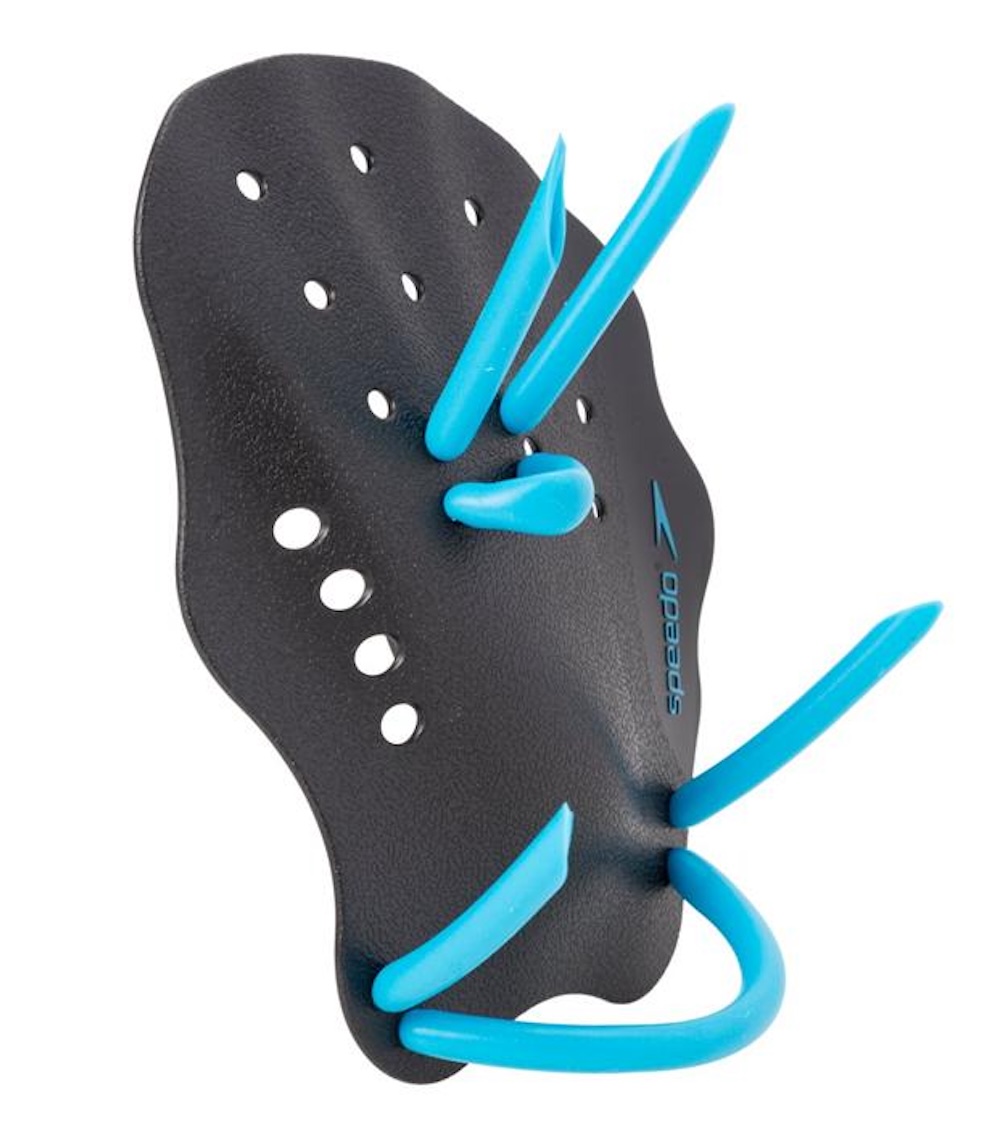
Paddles used in swimrun have gradually grown in size over the years, promoted by some of the biggest names in the sport. Some current models are approaching 850 square centimetres in surface area, (ARK Carbon Mattr in XL size), even though there is scientific evidence demonstrating a law of diminishing returns.
In the spirit of pushing this to the limit of sanity, we propose pushing this to almost 5,000 square centimetres in surface area per paddle.
This will require extra attention to strength training, a high-protein diet, and a completely new technique, but it could bring a small advantage! (Maybe)
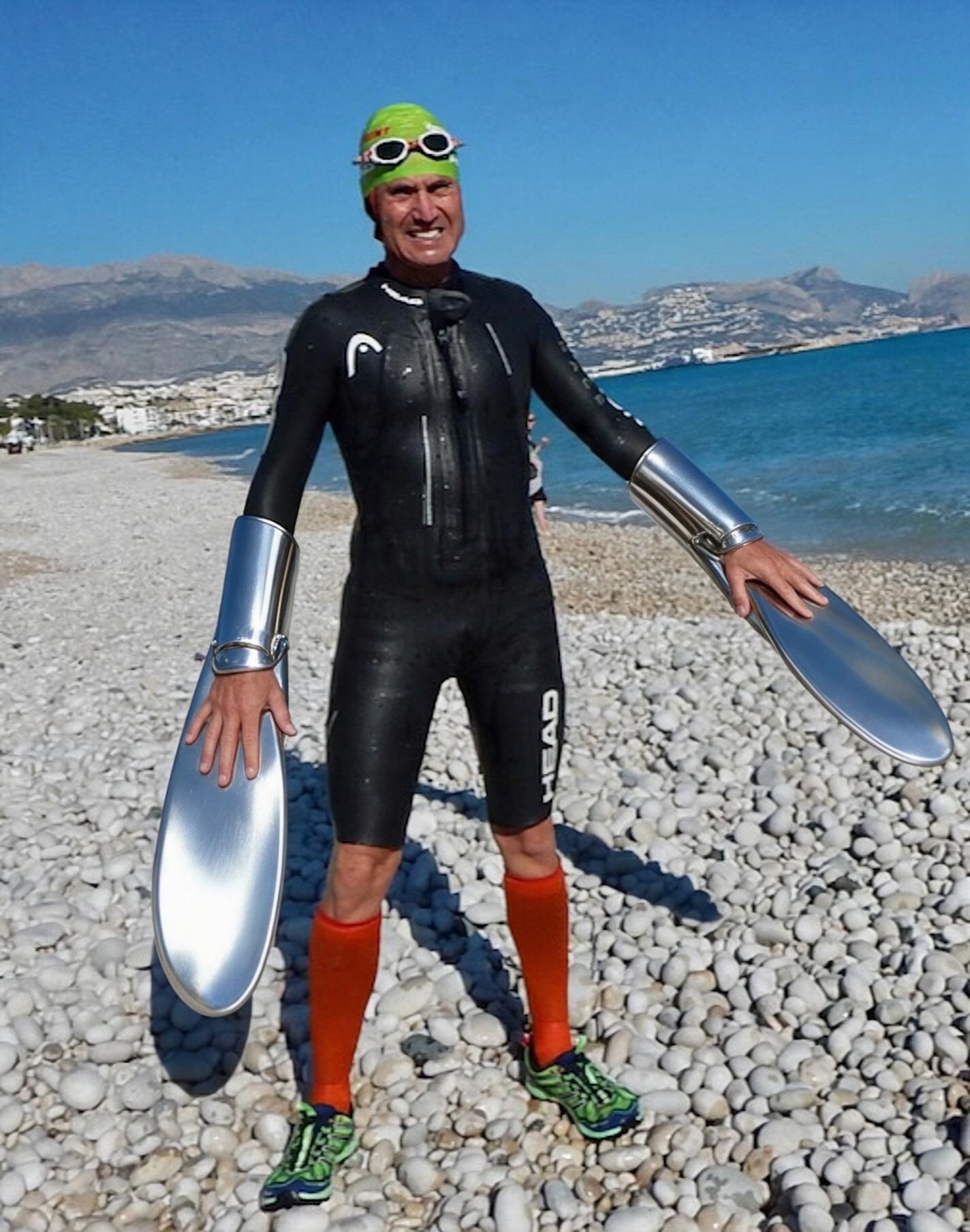 Early testing of aluminium paddles, without the Kevlar surface. AI generated.
We also propose a new method of construction: Aerospace-grade aluminium honeycomb for lightness, covered with an epoxy-bonded veneer of Kevlar for stiffness. This will ensure that the paddles float, and will be very resistant to impacts during swim leg exits.
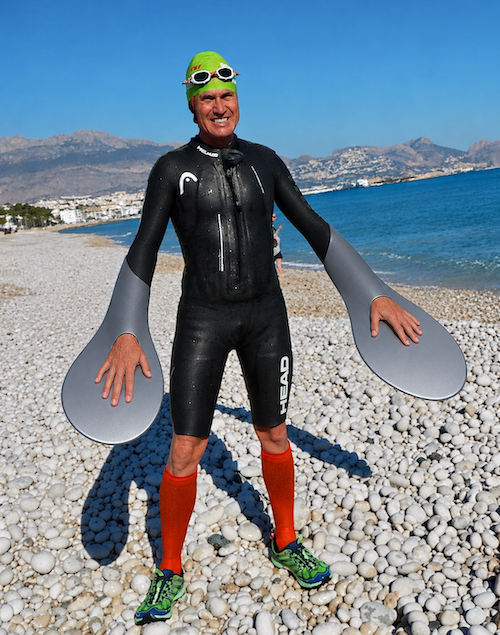 Final testing. (AI generated)
Shoes
This is another area where innovation and development could bring competitive advantages. Just think of the carbon-soled racing shoes worn by by elite marathon runners.
Shoes with carbon fibre insoles are claimed to have much higher stability and deliver energy back into your foot after each step. Sounds good!
In addition, on the outside of the sole, we propose over-sized rubber studs for grip.
These replaceable studs (or 'lugs') will offer much better grip over slippery and wet surfaces because they are super-soft with extreme levels of grip, like those used in rock climbing.
However, because they will wear down quickly, like Formula One tyres, they must be unscrewed and replaced for each race.
This review of the possible future of swimrun technology is meant to be light-hearted, and maybe to provoke some thought and debate. We need to look at the science behind equipment that is promoted for swimrun, and ask "where is the evidence" for certain claims.
And, when it comes to GPS navigation in a heads-up display inside the lens of your swim goggles, THE FUTURE IS ALREADY HERE! This technology is available in the HoloSport 3 Pro GPS-enabled goggles. This is race-winning innovation.
Happy swimrunning!
SollaWave Smart Swim Goggles
The world's first AI music smart swim goggles, these are designed to replace five separate pieces of swim gear with a single, streamlined device.
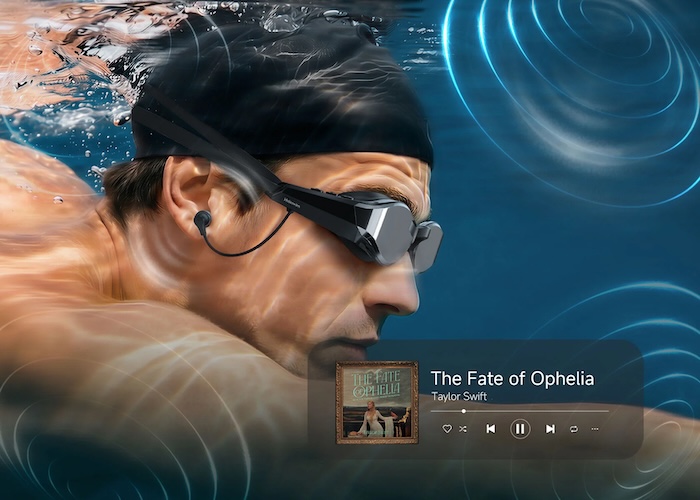
The SollaWave combines racing-style swim goggles, integrated underwater headphones, waterproof earplugs, an AI-powered swim tracker, and built-in anti-fog protection into one compact package. Read our review for details, OR order direct from the HoloSport website, and remember to use our discount code - HOLOSWIM10 - to get your 10% off!
(As HoloSport affiliates we may earn a small commission on purchases)
www.swimrun-advice.com works with the following Swimrun companies:




Richard Mitchell, BDS, and Mogsy Ford are swimrun competitors and endurance athletes who write from direct racing experience. We have competed in swimrun since 2016, and bring added perspective from competitive running (5K to marathon) and open-water swim racing. This website has been mentioned by The Guardian newspaper. As married teammates, we train together, and build holidays around races. Read more at the 'About Us' page.


Have you seen our Facebook page?!
Best Seller This Month
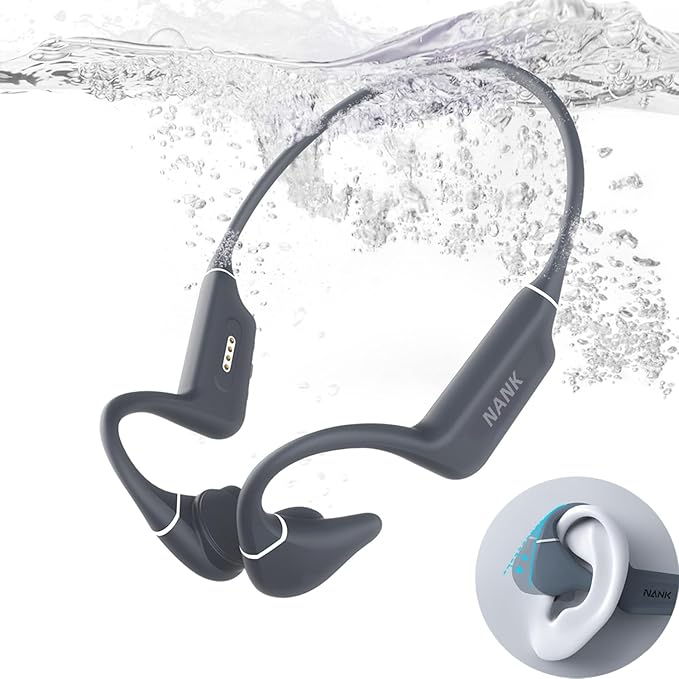
NANK RunnerDiver2 Pro BoneConduction headphones
Check the NANK website DIRECT for availability and prices!
Recent Articles


-
Swimrun Calendar Europe 2027
Oct 26, 26 10:38 AM
 SwimRun Calendar Europe 2027 - find a SwimRun event near you in Europe! Full listings of major swimrun races in Europe 2027.
-
The Future Of Swimrun - What Competitive Advantages Can You Expect?
Oct 26, 26 09:02 AM
 The sport of swimrun has seen constant equipment developments over the last decade. What about the future of swimrun - where might technology take us?
-
GPS Compass Navigation-enabled Holoswim 3 Pro Review for Swimrun
Oct 26, 26 07:17 AM
 GPS, compass, and open water navigation! Our Holoswim 3 Pro review is essential for swimrun athletes weighing smart goggles for open-water training and racing.

Nanoclear Strike Mirror Goggles
by Effortless Swimming

CLICK HERE FOR MORE DETAILS ON THESE GREAT GOGGLES - Use code SWIMRUNA15 & get 15% off!
Check out these popular Speedo NEMESIS paddles