Helping swimrun athletes since 2016
- Download Our Race ready checklist -
Your Top 10 Swimrun
Questions Answered
Your Top 10 Swimrun Questions Answered.
Thinking about taking on a swimrun event? You're not alone. Swimrun is growing fast, and newcomers always have the same questions.
We've pulled together the 10 most frequently asked questions and answered them all right here, so you can get race-ready with confidence!
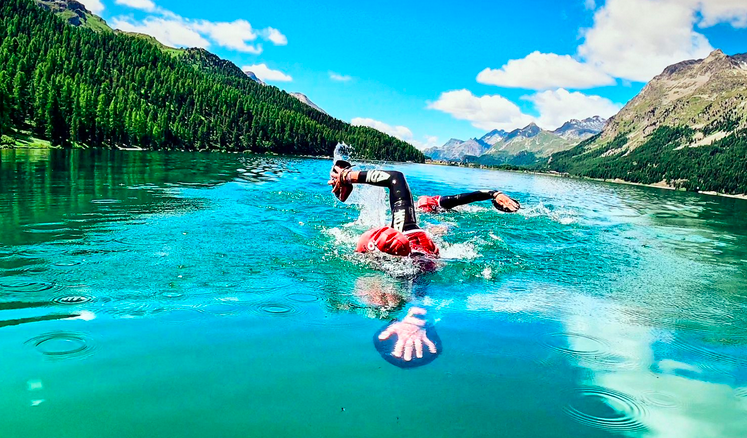 Swimrun Engadin, Switzerland. Courtesy Ötillö
1. What is swimrun?
Swimrun is a sport that involves running and swimming in alternate sections — without changing any gear or clothing. You run in your wetsuit and keep your shoes on during the swims. There are NO gear-change transitions, as you'd have in triathlon. You simply run to the water, swim across, climb out, and keep running. It's that simple — and that addictive.
The sport originated in Sweden and has grown into a worldwide phenomenon, with events ranging from beginner-friendly "Experience" races to full-distance epics covering 40km or more. As the ÖTILLÖ Orcas Island FAQ puts it, swimrun is "the fastest growing endurance sport on the planet."
Here's our page with a longer explanation!
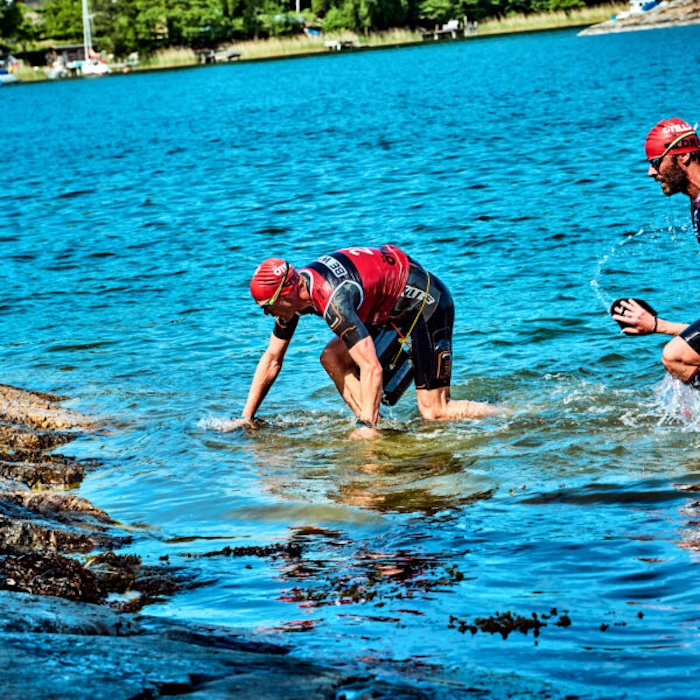 Swim-to-run transition. Courtesy Ötillö
Your Top 10 Swimrun
Questions Answered
2. What equipment do I need for swimrun?
The exact gear depends on the event, but the minimum would include trail shoes that drain well, socks, a wetsuit, swimming goggles, swim paddles, and a pull buoy. Most events also require you to carry a whistle and a waterproof bandage kit as mandatory safety items.
You don't need to spend a fortune to get started. For your first race, focus on the essentials and build up from there. You don't need carbon fibre paddles! Many events also offer wetsuit rentals if you don't want to buy one straight away.
Here's our page looking at swimrun equipment!
If you want to give swimrun a try for minimal investment, visit our page about swimrun on a budget, and our page about your first swimrun event.
3. Do you swim in your running shoes?
Yes! You keep your shoes on for the entire race, including all swim legs. This is the thing that surprises most newcomers. Your shoes stay on your feet from start to finish.
Some people drill a few small holes through the soles to allow water to drain more quickly, but they must be small enough to keep grit out. Look for lightweight trail shoes with good grip and fast drainage — they'll make a real difference to your comfort on the day.
Here's our page which looks at swimrun shoes in more detail!
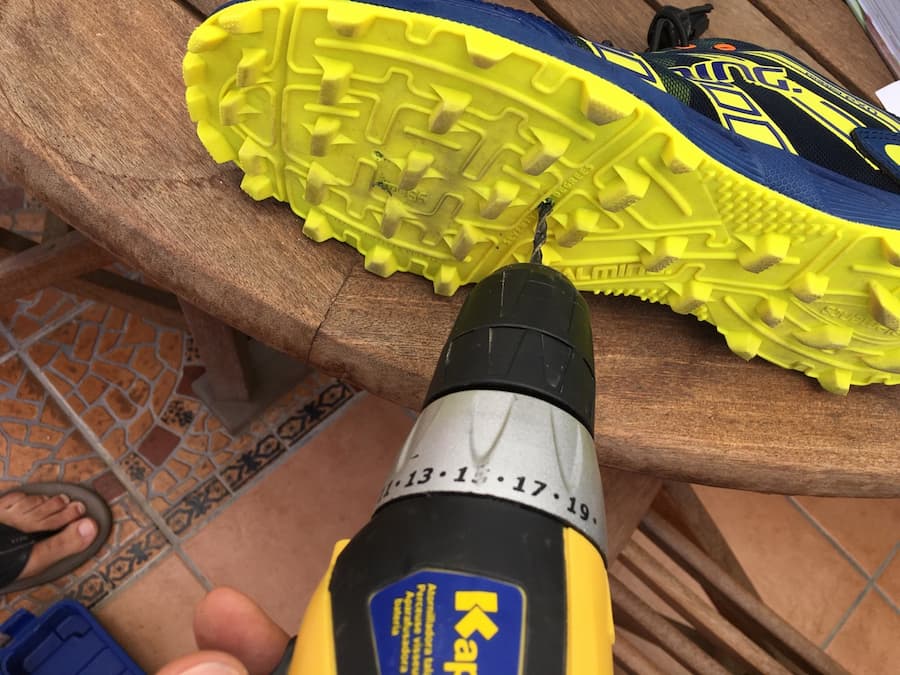 Drilling some drainage holes.
4. How do I train for a swimrun event?
You need to train in three modes: pool swimming, road and trail running, and then combined open-water swimming in your wetsuit with trail running, practicing water entries and exits over sand, shingle, stones and rocks.
The combined sessions are where the real swimrun-specific fitness comes from. Getting in and out of the water in your wetsuit and shoes, then immediately running — that's the skill you need to practice.
It feels odd at first, but you'll adapt quickly. If you're worried about the swimming, work on building up to a comfortable 500m swim for shorter events, or 2,000m for longer distances.
Here's our page on swimrun training!
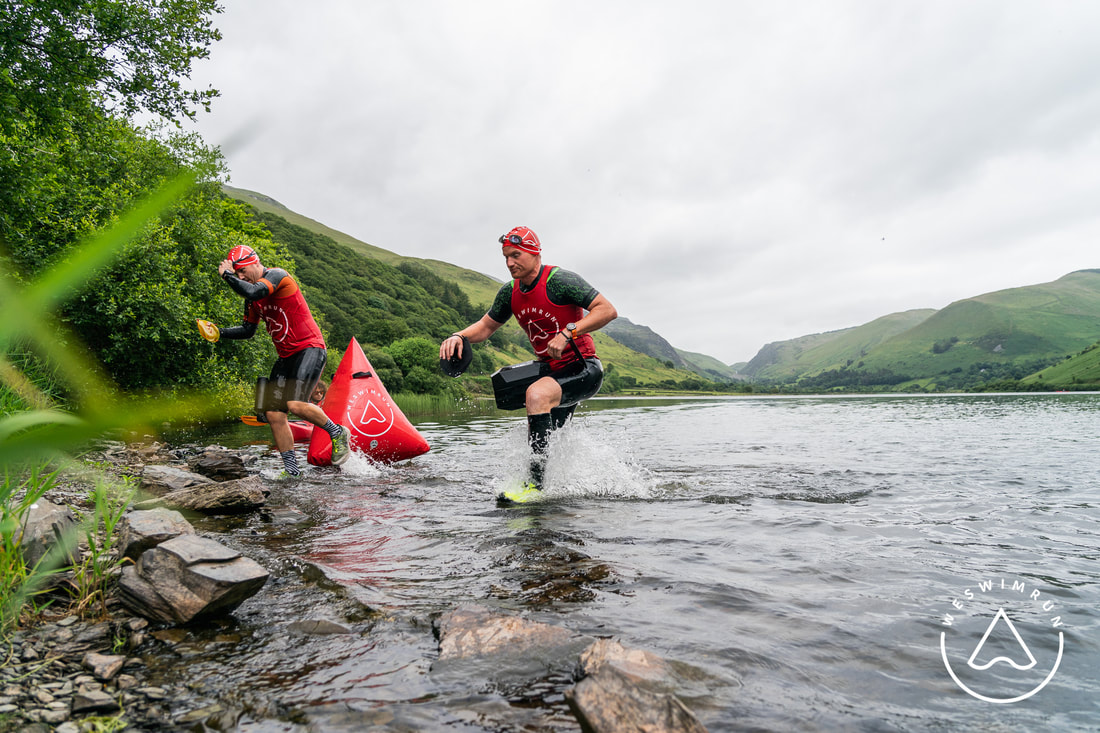 Transition training. Courtesy Weswimrun
Your Top 10 Swimrun
Questions Answered
5. Do I have to be a good swimmer?
The short answer is yes, you need to be a competent swimmer. For a long-distance race, you should be able to swim 2,000 metres in one go, in under an hour. For an Experience or Sprint race, you should be able to swim 500 metres in under 15 minutes.
If swimming is your weaker discipline, look for races with a low swim-to-run ratio — say, 10% swimming and 90% running. Most races sit around 15% to 20% swimming.
And don't worry too much — we've seen people doing breaststroke and backstroke at swimrun events. The important thing is that you're comfortable in open water.
Here's our page about swimrun technique, with a section on swimming.
6. What should I wear for a swimrun race?
Most people wear a swimrun-specific wetsuit with a swimming costume or tri-suit underneath. (For ladies, Swijin has a great range of under-wetsuit options). A swimrun wetsuit has legs trimmed just above the knee so the neoprene doesn't interfere with your running stride.
Many also feature front and rear zips, thicker neoprene over the thighs for extra buoyancy, and thinner, more flexible material around the shoulders.
In warmer-water events — like those in Italy or Tahiti — you may wear a tri-suit instead of a wetsuit. Always check the event organiser's information for specific requirements. Socks are essential too; running in wet shoes without them is a recipe for blisters.
7. Do I have to compete as a team, or can I do swimrun solo?
The original idea behind swimrun was to compete as a team of two, for safety reasons. Many events now allow solo competitors, especially for the shorter and sprint distances. Some full-distance events offer solo entries too, but most longer races are still teams only.
That said, racing as a team is widely regarded as the pinnacle of fun in swimrun. As the Odyssey Swimrun organisers put it, "being part of a team offers added safety, encouragement, and camaraderie along the way."
If you can find a partner, give team racing a try — you won't regret it!
Your Top 10 Swimrun
Questions Answered
8. How hard is a swimrun event?
Harder than you might think. The swim sections are usually in cold water, and sometimes through choppy conditions. Then you have to run with a wetsuit full of water. The combined effects of resistance from the neoprene and extra weight make running a challenge, and fatigue builds quite quickly.
Scrambling over rocks at swim entries and exits, dealing with muddy trails, swimming through seaweed — these are all part of the experience.
In longer events, the sheer endurance aspect of a 5 or 6 hour race is the biggest challenge. But that's also what makes crossing the finish line so rewarding!
If you're looking for something extreme, take a look at our page about the toughest swimrun races!
9. How far is a swimrun race, and how long does it take?
Distances vary hugely. The shortest "Intro" or "Experience" events are usually under 10km in total and take under an hour to complete. Sprint-distance events typically cover 10 to 20km and take 2 to 3 hours. Full-distance races are usually 30 to 40km, with race times of 4 to 6 hours — although some are considerably longer.
If you're a first-timer, start with an Experience or Intro event. It's the perfect way to find out if swimrun is for you without biting off more than you can chew.
You can search for a swimrun event at our page by distance, or you can search at our page by country.
10. Won't I get blisters or chafing from running in wet shoes and a wetsuit?
This is something everyone worries about before their first swimrun. The good news? It's usually not as bad as you'd expect. Good-quality swimrun socks are essential — brands like Gococo and Monkey Sox are popular choices. Some people also rub Vaseline or anti-chafe lotion into their feet before a race for extra protection.
Chafing from the wetsuit is the bigger concern. Make sure you apply plenty of wetsuit-safe anti-chafe lotion (we like Body Glide), especially around the neck and under the arms. Loosening the neck of your wetsuit while running helps too.
If your event involves sea swimming, be extra cautious — salt water makes chafing worse. Waterproof tape over known trouble spots can be a lifesaver.
Here's our page about the various minor injuries that can happen in swimrun.
Ready to give it a go?
Swimrun is one of the most accessible and rewarding endurance sports out there. You don't need to be an elite athlete — you just need a sense of adventure and a willingness to get wet.
Find an Experience event near you, get the basic gear together, and go for it. We promise you'll be hooked!
SollaWave Smart Swim Goggles
The world's first AI music smart swim goggles, these are designed to replace five separate pieces of swim gear with a single, streamlined device.
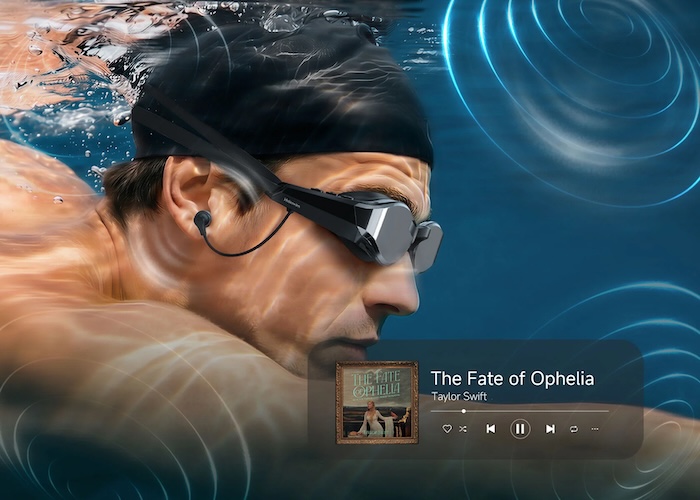
The SollaWave combines racing-style swim goggles, integrated underwater headphones, waterproof earplugs, an AI-powered swim tracker, and built-in anti-fog protection into one compact package. Read our review for details, OR order direct from the HoloSport website, and remember to use our discount code - HOLOSWIM10 - to get your 10% off!
(As HoloSport affiliates we may earn a small commission on purchases)
www.swimrun-advice.com works with the following Swimrun companies:




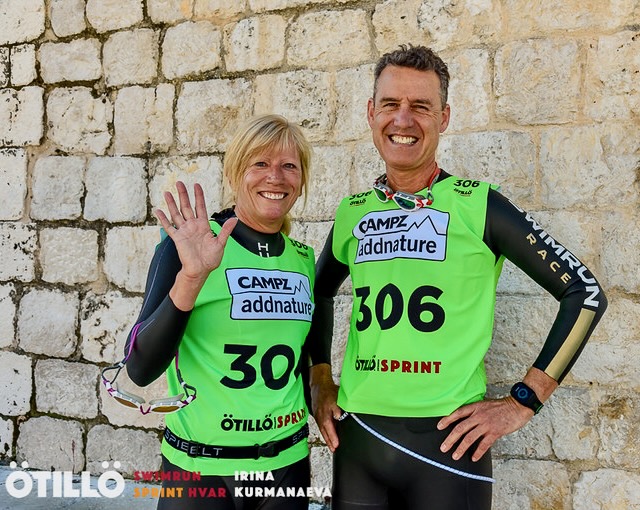
Richard Mitchell, BDS, and Mogsy Ford are swimrun competitors and endurance athletes who write from direct racing experience. We have competed in swimrun since 2016, and bring added perspective from competitive running (5K to marathon) and open-water swim racing. This website has been mentioned by The Guardian newspaper. As married teammates, we train together, and build holidays around races. Read more at the 'About Us' page.


Have you seen our Facebook page?!
Best Seller This Month
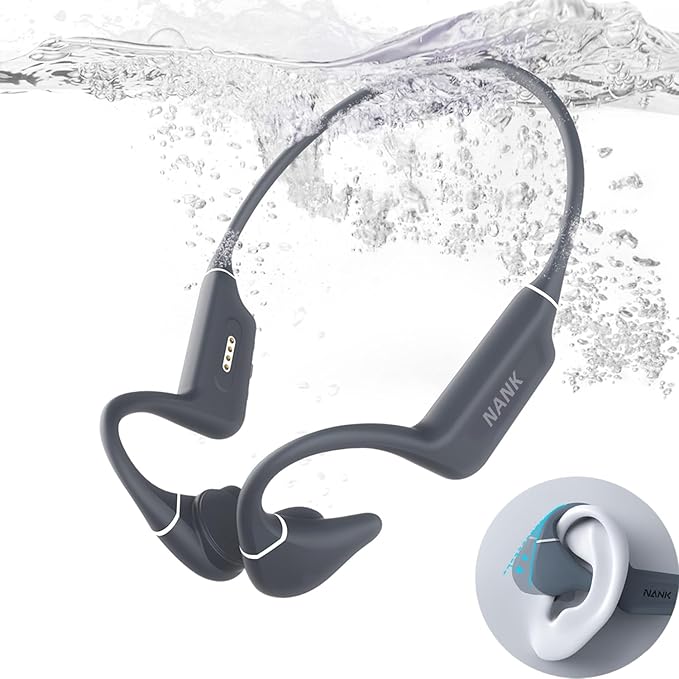
NANK RunnerDiver2 Pro Bone Conduction headphones
Check the NANK website DIRECT for availability and prices!
Recent Articles


-
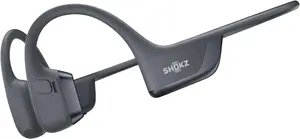
Shokz Headphones For Swimrun - Six Best Models And How To Choose
Sep 15, 26 07:55 AM
 Looking for Shokz headphones for swimrun? We compare OpenSwim Pro and running models to help you choose the best setup for swim‑run training
 -
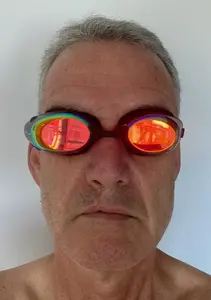
Swimrun Goggles: 13 Top Picks for 2026
Sep 14, 26 03:45 AM
 Which swimrun goggles suit you best? Compare Smart, polarized, prescription and custom-fit options for open water comfort, visibility, and fit.
 -
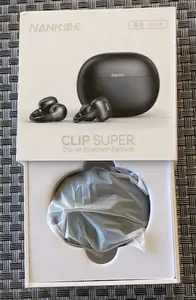
The Best Blue Tooth Ear Buds Under $50 - But Which?
Sep 14, 26 03:40 AM
 Discover the best blue tooth ear buds for under $50. Read our detailed review and find out why you should check our recommendation!
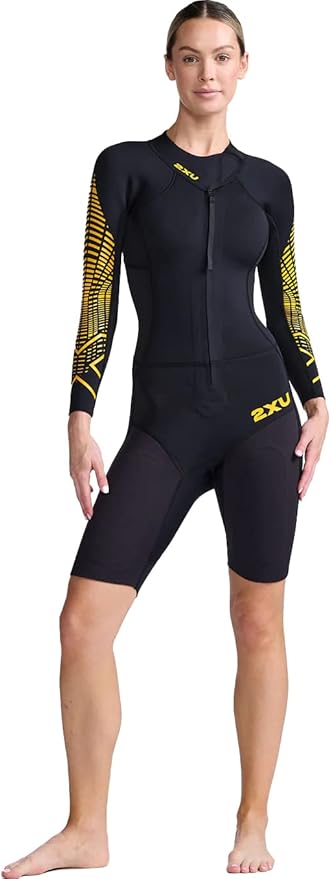
CLICK HERE FOR MORE DETAILS ON THIS GREAT SUIT!
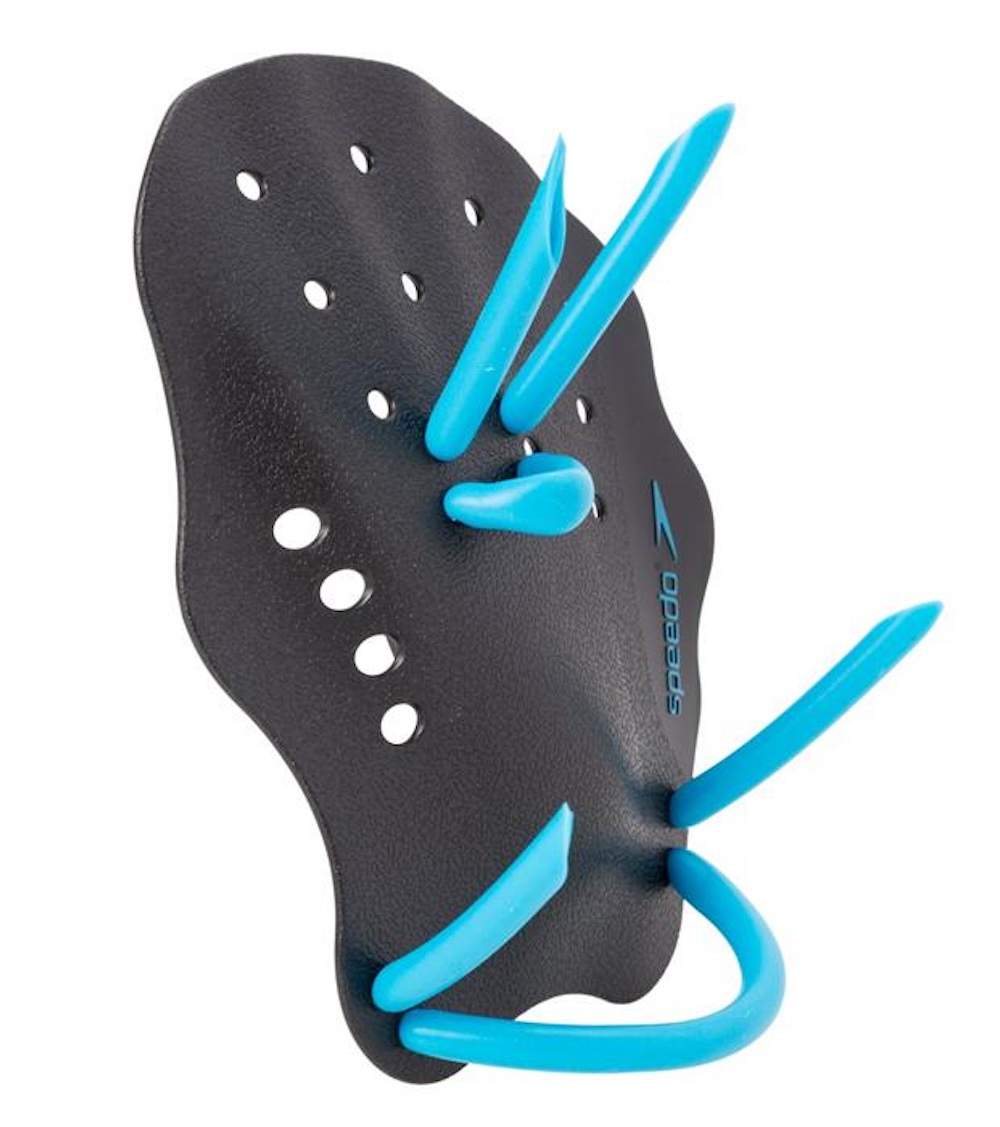
Check out these popular Speedo NEMESIS paddles