Helping swimrun athletes since 2016
- Download Our Race ready checklist -
Sumarpro Thermal
Titanium Wetsuit Review
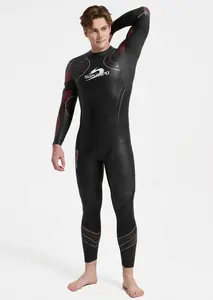
If you’ve landed here looking for a straight-up Sumarpro thermal titanium wetsuit review, the short version is this: Sumarpo is trying to solve a real swimrun problem.
Standard swimrun wetsuits do a decent job across mixed terrain, but they’re often built around flexibility and fast transitions first, with warmth as more of a compromise.
Sumarpo’s thermal titanium concept aims to push that balance toward better heat retention for colder training days and chilly races, while still keeping the suit usable for the run sections.
Holoswim 3 Pro Smart Swim Goggles
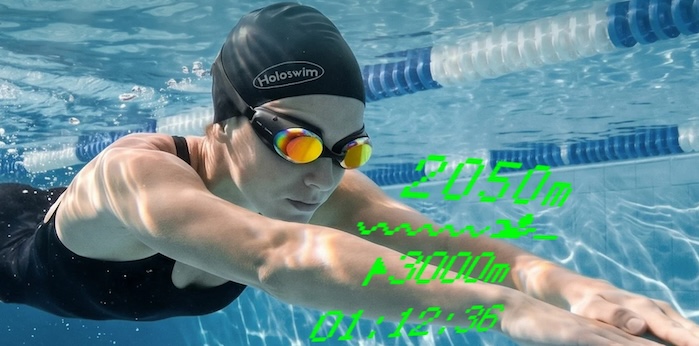
Holoswim 3 Pro are the ONLY GPS-enabled smart swim goggles with a heads up display inside the lens. With compass and open water navigation, you'll never zig-zag across an open water swim again - perfect for swimrun!
Read our review for details, OR order direct at the HoloSport website, and use our discount code - HOLOSWIM10 - to get 10% off.
(As HoloSport affiliates, we may earn a small commission on any purchases)
Sumarpro Thermal
Titanium Wetsuit Review
First of all, remember what makes a swimrun wetsuit different. A swimrun wetsuit usually has a front zip instead of a back zip, shorter legs and often shorter sleeves than a full triathlon suit, plus pockets for nutrition or mandatory gear.
That design makes the suit easier to vent on the run and more practical over repeated swim-run transitions, but it can also leave you colder than you’d be in a full thermal open-water or triathlon wetsuit. That’s exactly the gap a warmer swimrun-specific suit is trying to fill.
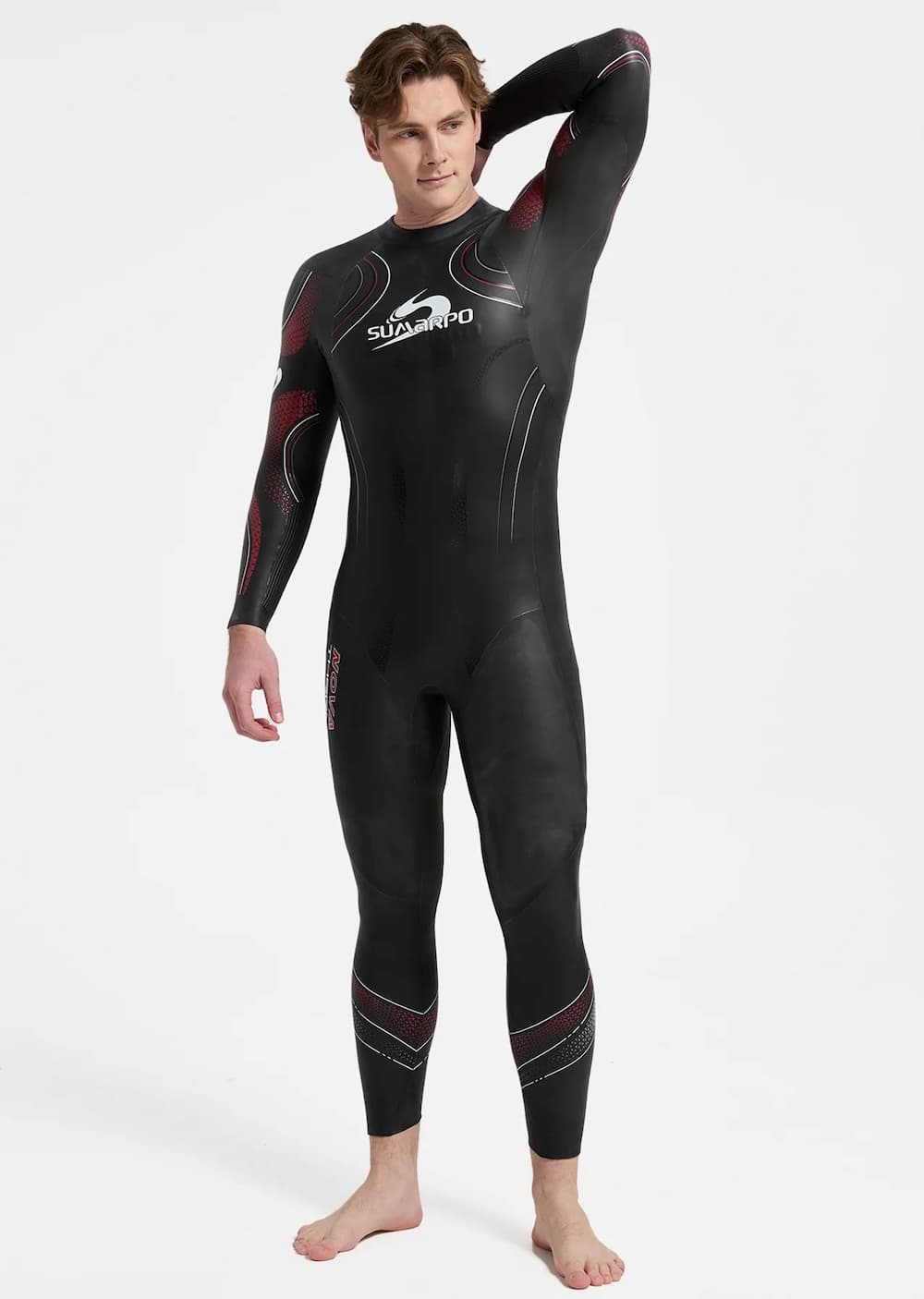
One thing to clear up right away: Sumarpo’s current public product pages are much clearer on its thermal titanium triathlon wetsuits than on a separately named “Thermal Titanium” swimrun model.
On Sumarpo’s sites, the company describes its swimrun line as offering buoyancy, flexibility, thermal insulation, durability, versatility, and storage options, and it also highlights “Thermal Titanium Coating” in its comparison materials.
So, if you’re researching a new Sumarpro wetsuit for colder swimrun use, the evidence points to thermal titanium being a technology feature Sumarpo promotes across parts of its range rather than a standalone swimrun model.
That said, the thermal titanium part is the big differentiator, and it’s worth understanding. Sumarpo describes its thermal wetsuit construction as combining Yamamoto #39 neoprene with titanium and a thermal lining designed to trap heat while staying flexible.
In plain English, the brand is saying the suit is not relying on neoprene thickness alone to feel warmer. Instead, it’s using an internal heat-management approach layered with premium neoprene, which is more interesting than just making everything thicker and stiffer.
Sumarpro Thermal
Titanium Wetsuit Review
In a practical swimrun context, that matters because pure thickness can be a blunt tool. More neoprene can mean more warmth, but it can also mean reduced shoulder freedom, more fatigue over long swims, and a hotter, swampier feeling on the run.
Sumarpo’s own technology page emphasizes stretch and flexibility, including claims of very high elongation in certain fabrics used around the shoulders and arms. If those materials are also used intelligently in a thermal setup, the idea is that you get extra insulation without turning the wetsuit into a restrictive shell.
So, is it really warmer than a conventional wetsuit?
Based on the materials and design claims, it’s fair to say it should be warmer than a standard non-thermal swimrun wetsuit of similar cut, especially in the core.
Sumarpo explicitly says its thermal construction is engineered for cold-water confidence and uses titanium plus thermal lining to trap heat. That does not prove a precise temperature advantage in controlled testing, and I won’t pretend it does. But it’s a reasonable, evidence-based expectation that a thermal-lined titanium-coated build offers more warmth than a conventional unlined swimrun suit.
Sumarpro Thermal
Titanium Wetsuit Review
The honest catch is that “warmer” does not always mean “best” for every swimrun race. If your events are short, fast, or held in moderate water temperatures, a warmer suit can feel like overkill. Swimrun asks your kit to perform in two environments, and overheating on the run can be every bit as annoying as feeling cold in the swim.
That’s why front-zip ventilation and strategic paneling matter so much. TRI247’s wetsuit guide makes the broader point that swimrun suits are designed to balance warmth and mobility, not maximize one at the expense of the other.
Where Sumarpo looks strongest is in the way it frames that balance. On its swimrun pages, the brand repeatedly talks about buoyancy, flexibility, thermal insulation, durability, versatility, and storage. Those are exactly the boxes serious swimrunners care about.
This is why the suit stands out as a piece of swimrun wetsuit innovation rather than just another neoprene option with a fancy label. It’s trying to be a performance tool for mixed-condition racing, not simply a cold-water swim suit repurposed for run segments.
Another point in Sumarpo’s favor is buoyancy technology. On the company’s technology page, Sumarpo highlights a patented buoyancy system using Yamamoto 8mm SCS neoprene and rubber foam, claiming very high buoyancy, and it also discusses honeycomb-shaped air cells in the chest on review-related pages.
For swimrun athletes, that matters because paddles, pull buoys, shoes, and fatigue can all change body position in the water. A suit that helps keep the hips and chest riding higher can save energy over repeated swims.
Sumarpro Thermal
Titanium Wetsuit Review
At the same time, warmth is not only about coatings and linings. Fit is huge. Even the best thermal suit will feel disappointing if water flushes through the neck, underarms, or lower back every time you dive in.
That’s especially true in swimrun, where you’re repeatedly entering and exiting the water. So in any Sumarpro thermal titanium wetsuit review, I’d put fit right near the top of the buying checklist. If the cut doesn’t match your body shape, the thermal promise won’t fully show up in real use.
It’s also worth talking about mobility, because warmer suits often lose points there. Sumarpo promotes high-stretch materials in key zones and uses premium Yamamoto neoprene across its wetsuit lineup.
The company specifically says some fabrics in the shoulders and arms deliver very high elongation. That suggests Sumarpo knows shoulder fatigue is a deal-breaker for endurance athletes, and it’s trying to preserve freedom of movement even in more insulated builds.
For swimrun training, that could make the suit especially attractive. Training is often colder, longer, and less glamorous than race day. You might be standing around before a session, swimming more slowly than you would in competition, or spending time in rough, windy conditions.
In those situations, a conventional race-oriented swimrun wetsuit can feel a bit thin. A warmer thermal titanium setup makes more sense there, even if you choose a lighter, more vented option for summer races.
On value for money, Sumarpo sits in an interesting place. Its swimrun collection shows products ranging roughly from lower-priced accessories up to premium wetsuit pricing, and its thermal titanium triathlon wetsuit is listed at €529.95 on the EU site.
That puts the thermal offering firmly in the performance category, not the bargain bin. So this isn’t a cheap experiment. The value question really comes down to whether you specifically need extra warmth and whether you’ll use that benefit often enough to justify paying for it.
Sumarpro Thermal
Titanium Wetsuit Review
If you mostly race in mild water and tend to overheat easily, the answer may be no. In that case, a lighter standard swimrun suit could be better value.
But if you train through shoulder seasons, race in cold Nordic-style conditions, or just know you run cold in the water, paying more for a thermal-focused build can absolutely make sense. Staying warmer is not just a comfort issue. It can improve confidence, pacing, and decision-making when conditions get tough.
There’s another angle to value, and that’s construction philosophy. Sumarpo markets itself as a 100% eco triathlon wetsuit brand and says it uses Yamamoto limestone neoprene, benzene-free adhesive, and recyclable linings.
If sustainability matters to you, that can strengthen the value proposition, because you’re not only buying warmth and performance but also a product aligned with lower-impact material choices. Of course, whether that matters enough to affect your buying decision is personal.
Compared with many classic swimrun suits, what feels most different here is the emphasis on warmth as a performance feature, not just a side benefit.
Traditional swimrun suits often major on transition speed, pocket layout, and mobility. Sumarpo is still talking about those things, but it layers in thermal insulation as a central selling point. That’s the key distinction if you’re choosing between a standard race suit and a more cold-focused option.
If you’re wondering whether this is the right choice for racing, I’d break it down like this: for cold-water swimrun training, it looks genuinely compelling; for cold races, it looks very promising; for hot-weather or shorter events, it may be more suit than you need.
That’s not a criticism, just a reminder that the best wetsuit is always context-specific. In other words, this Sumarpro thermal titanium wetsuit review lands in the “smart specialist option” category rather than “best for everyone.”
So, who should seriously consider it? I’d put these buyers at the front of the line:
- Swimrunners who get cold faster than their training partners
- Athletes training through spring, autumn, or winter
- Racers targeting colder events where core warmth matters
- Buyers who want buoyancy, storage, and flexibility but with more insulation than a conventional suit
Who should probably look elsewhere? If you race mostly in moderate to warm conditions, hate feeling overdressed, or want the cheapest route into the sport, this probably isn’t the sweet spot. A lighter and less expensive standard swimrun wetsuit may serve you better. The premium only really pays off when the thermal benefit is something you’ll use often, not just admire on a product page.
Final verdict: this Sumarpro thermal titanium wetsuit review comes out positive, with one important caveat. The technology and brand messaging give good reason to believe it is warmer than a conventional non-thermal swimrun suit, and the combination of titanium, thermal lining, premium neoprene, buoyancy features, and swimrun practicality makes it an interesting premium option.
But the best value is for a specific athlete: someone who truly needs extra warmth for swimrun training and racing. If that’s you, this New Sumarpro wetsuit concept looks like a meaningful piece of swimrun wetsuit innovation. If not, a simpler suit may be the smarter buy.
SollaWave Smart Swim Goggles
The world's first AI music smart swim goggles, these are designed to replace five separate pieces of swim gear with a single, streamlined device.

The SollaWave combines racing-style swim goggles, integrated underwater headphones, waterproof earplugs, an AI-powered swim tracker, and built-in anti-fog protection into one compact package. Read our review for details, OR order direct from the HoloSport website, and remember to use our discount code - HOLOSWIM10 - to get your 10% off!
(As HoloSport affiliates we may earn a small commission on purchases)
www.swimrun-advice.com works with the following Swimrun companies:





Richard Mitchell, BDS, and Mogsy Ford are swimrun competitors and endurance athletes who write from direct racing experience. We have competed in swimrun since 2016, and bring added perspective from competitive running (5K to marathon) and open-water swim racing. This website has been mentioned by The Guardian newspaper. As married teammates, we train together, and build holidays around races. Read more at the 'About Us' page.


Have you seen our Facebook page?!
Best Seller This Month
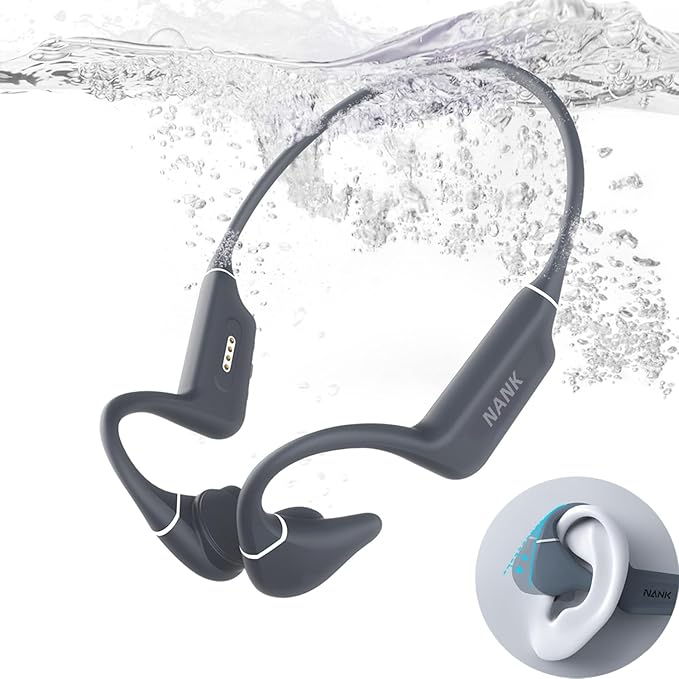
NANK RunnerDiver2 Pro BoneConduction headphones
Check the NANK website DIRECT for availability and prices!
Recent Articles


-
Our Sumarpro Thermal Titanium Wetsuit Review- Is It Really That Good?
Nov 01, 26 03:56 AM
 If you’re looking for a straight-up Sumarpro thermal titanium wetsuit review, the short version is this: Sumarpo is trying to solve a real swimrun problem.
-
Swimrun Calendar Europe 2027
Oct 30, 26 05:44 AM
 SwimRun Calendar Europe 2027 - find a SwimRun event near you in Europe! Full listings of major swimrun races in Europe 2027.
-
The Future Of Swimrun - What Competitive Advantages Can You Expect?
Oct 26, 26 09:02 AM
 The sport of swimrun has seen constant equipment developments over the last decade. What about the future of swimrun - where might technology take us?

Nanoclear Strike Mirror Goggles
by Effortless Swimming

CLICK HERE FOR MORE DETAILS ON THESE GREAT GOGGLES - Use code SWIMRUNA15 & get 15% off!
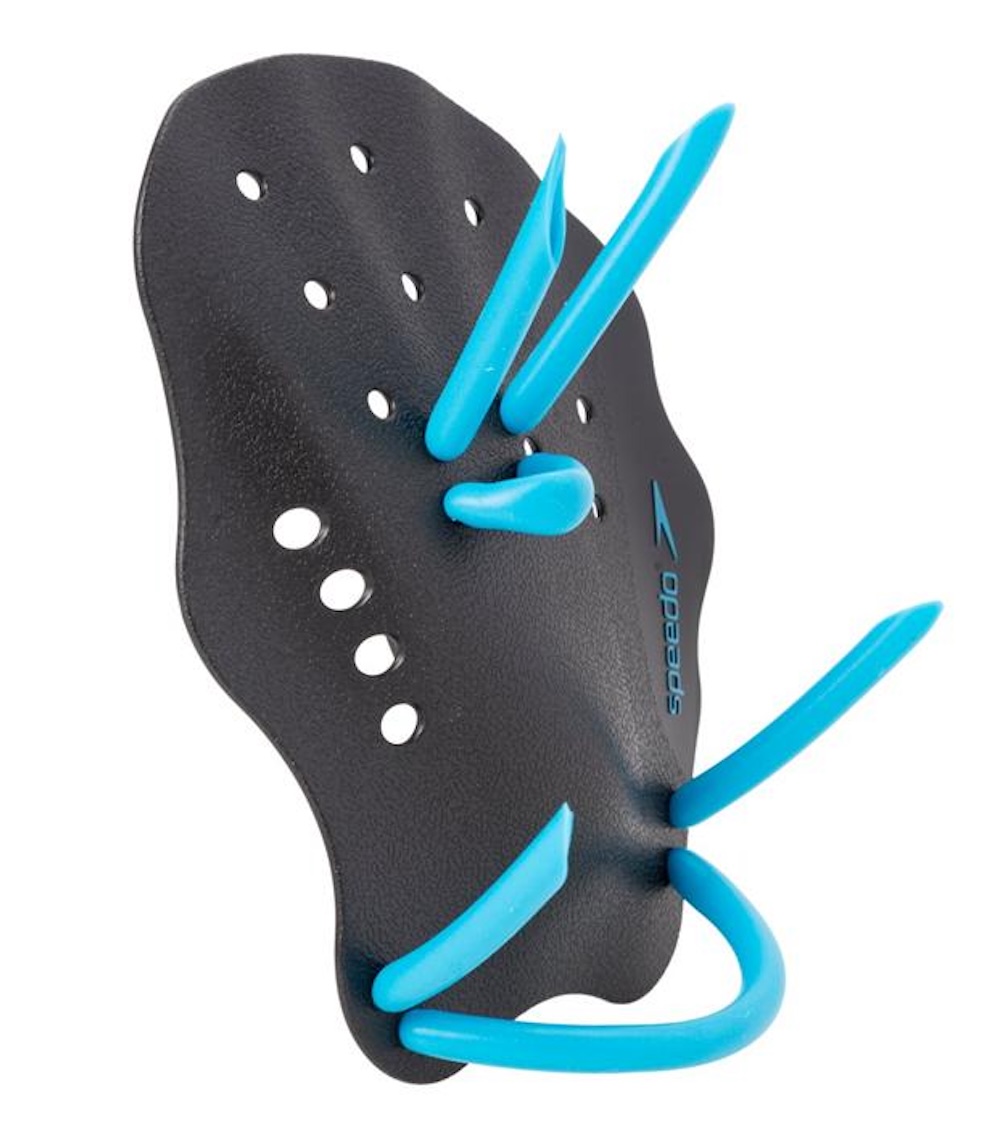
Check out these popular Speedo NEMESIS paddles